Pinch Point 1 - The First Squeeze
At the exact middle of Act 2a, deliver an unmistakable demonstration of the antagonist’s power that shatters your protagonist’s confidence — not to redirect them, but to lock them deeper into the Lie they must carry to the Midpoint.
At Pinch Point 1, the antagonist stops being an idea and becomes perilous reality. This shows the protagonist — and the reader, what they’re truly facing.
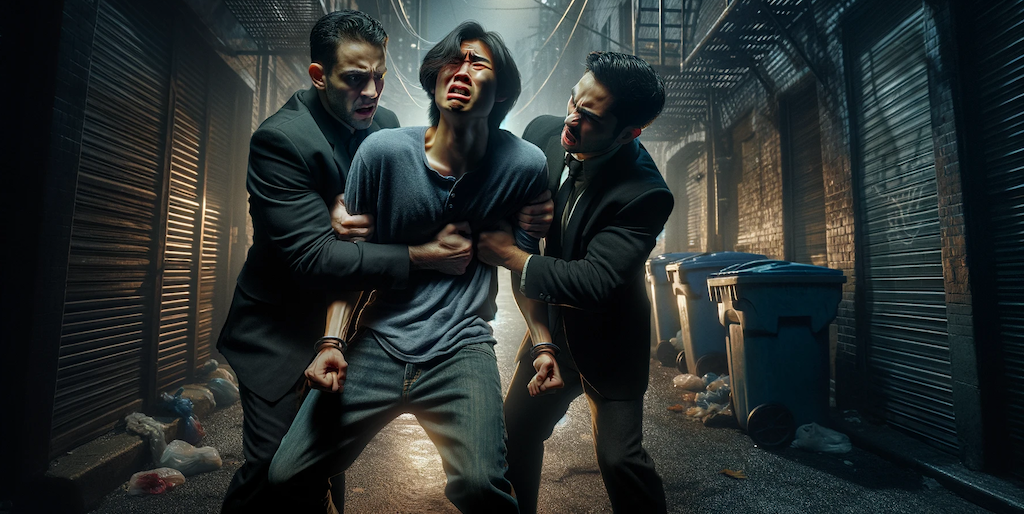
Up until now, the protagonist has been figuring things out. They’ve adapted, made progress, possibly convinced themselves they can handle the challenge. That belief is exactly what Pinch Point 1 is designed to contradict. It’s story structure’s way of saying: not so fast.
At this structural turn, the antagonistic force demonstrates raw power in terms the protagonist cannot rationalize away. It forces the protagonist to realize what they’re genuinely up against.
Pinch Point 1 changes the emotional weight of everything that follows, by making the stakes feel permanently and dangerously real. It doesn’t redirect the story. The protagonist doesn’t change course here. Instead, they cling tighter to the misbelief that is driving their decisions.
This is deliberate design on your part as the writer. Putting a squeeze on the protagonist forces them to double down on their flawed belief. They have no choice but to keep going, even though they now know the true nature of the threat.
Properly executed, Pinch Point 1 pivots the reader’s emotions from hope-to-fear, increasing their engagement with the protagonist. That’s precisely the point of Pinch Point 1.